
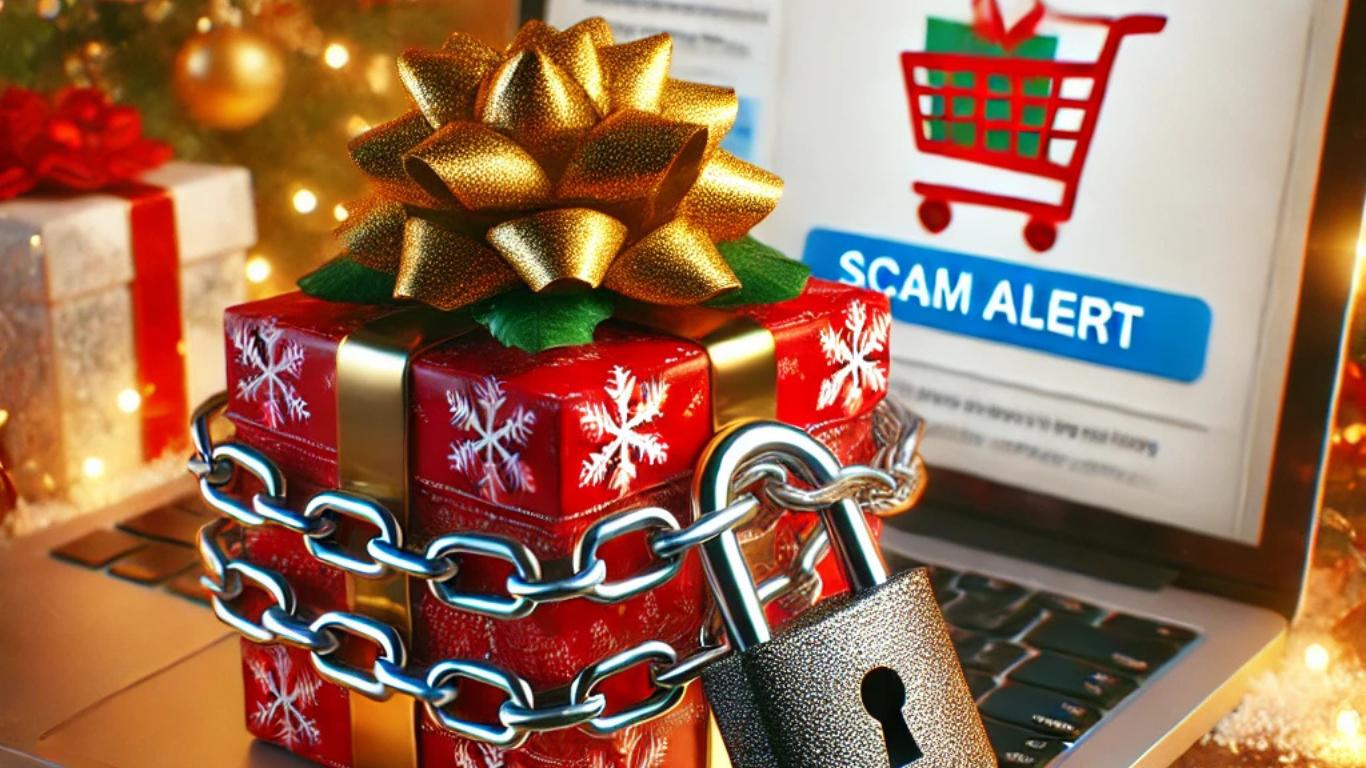
‘Tis the season… to avoid online scammers!
December 12, 2024
’Tis the Season: How to Avoid Online Scammers
It’s not just Christmas that’s around the corner but potential online scammers too!
While we frantically try and cross off our lists and bag a bargain it’s important to keep our wits about us.
New research from high-street bank NatWest revealed that 41% of British adults receive more scam approaches during November and December.
The research also showed an eye-watering £85.9 million was stolen by criminals in 156,516 purchase scams last year. With 92% of them originating online.
Scammers are always evolving their methods, but how is that affecting our shopping habits?
According to Nat West nearly a third (31%) of adults in the survey said they are anxious they will fall for a scam when buying their Christmas gifts.
And almost half of said they were more vigilant about scams during the festive period.
Which purchases are most at risk of being online scams?
Here’s what the data revealed about which purchases are most at risk when it comes to scams…
Top of the list was Phones (26%) with most scams occurring on online marketplaces and through Social Media Ads. Using tempting prices to lure in victims, the outcomes ranged from receiving stolen or counterfeit phones to unrelated items or nothing at all.
Next up were Tickets (23%) and Online Vouchers/Gift Cards (23%) which again were either fake or non-existent. With some consumers only discovering they’d been scammed when their tickets weren’t accepted at the venue.
Laptops and tablets (21%) scams are often promoted on Social Media ads. In many cases through ads that seem to be from genuine trusted retailers, such as supermarkets, offering cut-price brands or inventory clear-outs. Shoppers are then directed to fake websites set up to steal personal info and card details.
The list also included Clothing (19%), Home Tech Appliances (15%) Luxury Handbags (9%) and even Trainers/Shoes (9%) are all hot items when it comes to scams.
As are Watches (10%), Jewellery (12%) Video Games (11%) and even Motor Vehicles (11%).
APP Scams are on the rise
The Financial Ombudsman Service reported a significant increase in complaints between July and September, with Fraud and scams cases reaching their highest quarterly level.
Consumers lodged 9,091 complaints during the three-month period and 4,956 cases were related to authorised push payment scams (APP Scams).
APP Fraud is where consumers use an online bank transfer to inadvertently pass money to fraudsters. You can read more about fraud and scam claims on our dedicated page.
Tips to help spot online purchase scams
Here’s some useful tips for spotting online purchase scams:
- Be careful when buying goods on online marketplaces.
- Stay alert to fake adverts and don’t click on any links or pop-ups.
- Check for spelling errors and odd-looking website addresses or links
- Consider the price and payment method
You’ve heard the saying if something’s too good to be true – it probably is! Keep that in mind if the price is unusually low for the typical cost of the item.Nat West’s fraud experts also warns that even if a website accepts debit of credit cards it doesn’t mean it’s real. A request to pay by bank transfer is a definite red flag. - Don’t be pressured into buying
One-time only offers or time sensitive deals are designed to create a sense of urgency and are a common tactic of scammers. Step back and take time to assess before parting with any money or personal information. - Talk to friends and family
If you aren’t sure about a purchase or offer then get a second opinion from someone you trust.
Compensation Adviser is a claims management company specialising in assisting people with financial compensation claims like APP Fraud and Purchase scams.
You do not need to use a claims management company (CMC) to make your complaint to your bank and if your complaint is not successful you can refer it yourself to the Financial Ombudsman Service (FOS) for free.