
Pig Butchering Scams: Why These Crypto Frauds Are Hard to Spot
May 13, 2026
It rarely starts with anything that looks like a scam.
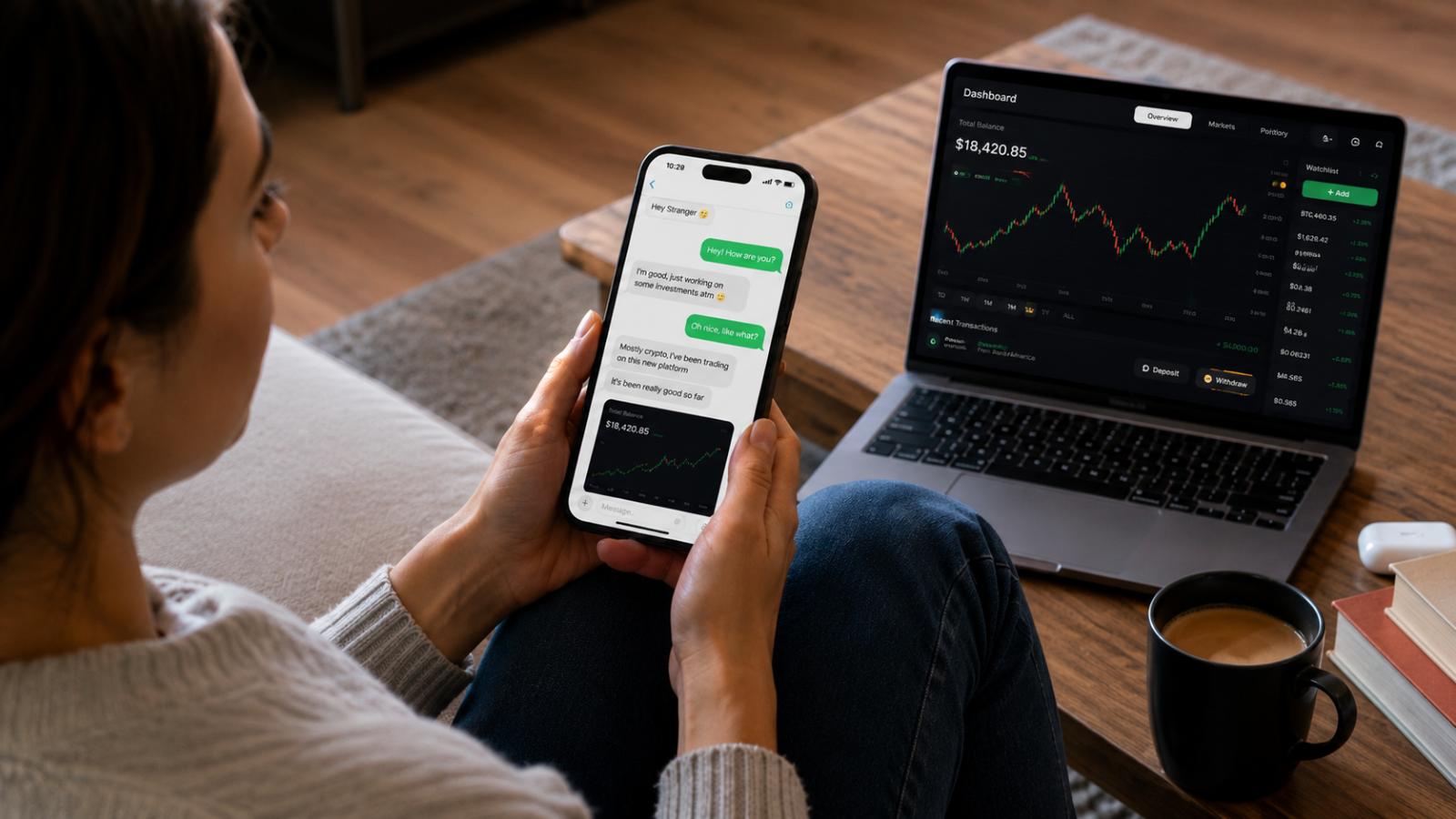
A message out of the blue. A friendly conversation. Someone who seems consistent, knowledgeable, and easy to talk to.
Days or even weeks can pass before money is mentioned.
By that point, it doesn’t feel unusual. It feels like trust has been built. A friendship or romantic bond has formed.
That’s what makes pig butchering scams different. They combine long-term relationship building with what appears to be a genuine investment opportunity, often involving cryptocurrency or online trading platforms.
If this situation sounds familiar, you can learn how cases like this are typically handled on our pig butchering scams page.
What Is a Pig Butchering Scam?
A pig butchering scam is a type of fraud where trust is built gradually before money is introduced.
The term comes from the way scammers gradually “fatten up” victims with fake friendships or relationships before eventually requesting money, usually disguised as an investment opportunity.
Unlike more obvious scams which rely heavily on urgency, the financial element often comes later. By then, there’s already a sense of familiarity, which can make the situation feel credible.
In many cases, this involves:
- Ongoing conversations over time
- A relationship that feels genuine
- Introduction to an investment or trading platform
- Encouragement to start with smaller amounts
- Gradual increases in the amounts being sent
The structure is designed to feel natural and believable.
These scams often overlap with cryptocurrency scams and romance scams, particularly where trust and investment are closely linked.
How Pig Butchering Scams Work
Most people don’t realise what’s happening until much later, when withdrawals become difficult or access to funds is restricted.
1. Initial contact
Contact often comes unexpectedly, through messaging apps, social media, or dating platforms.
Some cases may even begin with a “wrong number” message designed to start a conversation and build trust over time.
2. Building trust
Conversations develop gradually. The person may appear consistent, knowledgeable, and supportive in order to gain confidence and build familiarity.
These scams are not always romantic in nature and often rely on fake friendships or other social connections.
3. Introducing an investment
At some point, the conversation shifts towards investing, often involving cryptocurrency or online trading platforms.
4. Early deposits
There may be encouragement to invest a relatively small amount first. Some platforms may appear to show early returns or successful trades.
5. Increasing amounts
As confidence builds, larger deposits may be encouraged, often supported by apparent proof of profits.
6. Withdrawal issues
This is often the turning point.
When you try to withdraw funds, things begin to change. Delays appear. Additional charges are introduced. Access may become restricted.
In many cases, people only begin to question the situation once they are asked to pay extra fees or taxes in order to access their money.
7. Loss of access
In many cases, access to funds is blocked entirely, or communication stops altogether.
Why These Scams Are Hard to Spot
Pig butchering scams don’t follow the pattern many people expect.
There’s often no immediate pressure and few obvious warning signs at the start.
Instead, they rely on:
- Time, rather than urgency
- Familiarity, rather than anonymity
- Gradual financial involvement, rather than sudden requests
This can make the situation feel convincing, particularly where trust has developed over a long period of time.
Can You Recover Money From a Pig Butchering Scam?
In some cases, it may be possible to raise a complaint with your bank or payment provider, particularly where payments were made directly from your account.
The outcome and what happens next depends on the details of your situation.
Some of the key factors include:
- How the payment was made
- Whether it was sent via bank transfer, card, or cryptocurrency
- How quickly the issue was identified and reported
- What checks or warnings were provided at the time
If you’re unsure where you stand, getting a clearer understanding of your situation can help you decide your next steps.
Can Banks Help Recover Funds or Stop Payments?
Banks may be able to help, depending on how the payment was made and how quickly the issue was reported.
- If identified early, a payment may sometimes be stopped or recalled
- After a payment has been made, banks may investigate what happened
- Some cases may fall under authorised push payment (APP) fraud rules
For many UK bank-transfer scams, current APP fraud reimbursement rules may apply, subject to the scheme’s criteria and exceptions.
If a complaint is not upheld, it may be possible to refer it to the Financial Ombudsman Service (FOS).
How to Avoid Recovery Scams After the Initial Fraud
After a scam, it’s not unusual to be contacted again with a second scam posing as a recovery route.
Some individuals or organisations that appear credible may claim they can recover your funds. Others may impersonate legitimate organisations such as the Financial Conduct Authority or the Financial Services Compensation Scheme.
These are often recovery scams.
Common warning signs include:
- Requests for upfront fees
- Guarantees that money can be recovered
- Unsolicited contact claiming to represent specialists or authorities
- Pressure to act quickly
Legitimate organisations do not guarantee outcomes, and you should be cautious of unsolicited contact claiming that money can definitely be recovered.
You can read more about fake FCA scams and what to do if you’ve been affected on our Fake Financial Conduct Authority (FCA) recovery scams page.
What To Do If You’ve Been Affected
If something doesn’t feel right, acting quickly can make a difference.
- Contact your bank as soon as possible
- Report the incident to Action Fraud
- Keep records of communications and transactions
- Avoid sending any further money
These steps can help protect your position and preserve important evidence.
How Compensation Adviser Can Help
Compensation Adviser reviews each situation on its own facts to help you understand what options may be available.
This can include:
- Looking at how the situation developed
- Reviewing how payments were made
- Explaining possible complaint routes
- Supporting you through the process if you choose
If you’d like to explore this further, you can request a free no obligation initial review.
FAQs
What is a pig butchering scam?
It is a scam where trust is built over time before encouraging investment, often through platforms that later restrict access to funds.
Are pig butchering scams linked to cryptocurrency?
In many cases, yes. Cryptocurrency is often used as the payment method, although the key feature is the gradual build-up of trust.
Can banks reimburse scam victims?
Banks may investigate and, in some cases, consider reimbursement depending on how the payment was made and the circumstances involved.
Do I need to use a claims management company?
No. You can make a complaint to your bank yourself for free and, if applicable, refer your complaint to the Financial Ombudsman Service (FOS), which is also free for consumers.